Source Solid Wooden Bookshelf for Living Room, Shop, and Home
Compare 30 solid wooden bookshelf options from verified Chinese manufacturers. Buyers can evaluate models like FAM514 and FH-215 based on material, structure, and customization features for living room, shop, and home applications; compare the available evidence and request quotations based on your requirements.
Key considerations
Products List




Comprehensive Sourcing Guide
Solid Wooden Bookshelf Sourcing Guide
Sourcing solid wooden bookshelves requires a disciplined approach to material verification and structural integrity assessment. Buyers must distinguish between genuine solid wood construction and veneered alternatives, as the latter often lack the durability and aesthetic depth associated with premium furniture. The observed market data indicates a wide range of product models, from the FAM514 to the FH-215, each presenting distinct structural configurations. Procurement teams should prioritize suppliers who provide clear material declarations, ensuring that the core components are indeed crafted from solid wood rather than engineered composites. This distinction is critical for long-term value and structural stability in high-traffic environments.
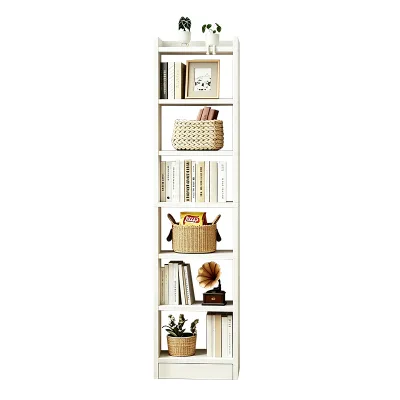
Beyond material authenticity, the design style and application context significantly influence the sourcing decision. Listings reveal a mix of modern, traditional, and antique aesthetics, with some units featuring doors and others offering open grid structures. Buyers must align these visual and functional attributes with their specific interior design requirements and spatial constraints. For instance, units with doors may offer better dust protection for delicate items, while open designs facilitate easier access and display. Understanding these nuances allows procurement specialists to select products that not only meet functional needs but also enhance the overall aesthetic appeal of the living room or commercial space.
Product Scope and Observed Listing Signals
The current market landscape for solid wooden bookshelves exhibits significant diversity in structural design and customization options. Observed listings highlight products with varying numbers of grids, ranging from single-sided to double-sided configurations, and include features such as doors and specific weight classifications like middle weight. The presence of customization options suggests that buyers can tailor dimensions and finishes to suit specific project requirements. This flexibility is particularly valuable for large-scale procurement where uniformity and specific spatial fits are paramount. Buyers should leverage these customization capabilities to ensure that the final product integrates seamlessly into their intended environment.
Packing and origin data provide additional insights into the logistical and quality expectations of different suppliers. Products originate from various Chinese provinces, including Fujian, Shandong, and Guangdong, each potentially offering different manufacturing strengths. Packing methods vary from standard export cartons to brown paper and KD packages, indicating different levels of protection and assembly requirements. These variations impact shipping costs and on-site assembly labor. Procurement teams must evaluate these logistical factors alongside product quality to determine the total cost of ownership. Understanding the origin and packing standards helps in anticipating potential transit damages and assembly complexities.
Technical Specifications to Verify
Verifying technical specifications is essential to ensure that the solid wooden bookshelf meets structural and dimensional requirements. Buyers should confirm the exact dimensions, such as the 10040200 standard observed in some listings, to ensure compatibility with existing furniture layouts. The frame material, whether steel or solid wood, must be clearly defined, as this affects both the load-bearing capacity and the overall aesthetic. Additionally, the number of doors and the side configuration, whether single or double-sided, must align with the intended usage scenario. These specifications directly influence the product's functionality and its ability to store and display items effectively.
The model numbers, such as FAM514, FH-215, and SF-26BS, serve as unique identifiers for cross-referencing supplier catalogs and ensuring consistency in bulk orders. Buyers must verify that the ordered model matches the requested specifications, particularly regarding the number of grids and the presence of doors. The weight classification, described as middle weight, suggests a balance between sturdiness and ease of movement. Confirming these details prevents discrepancies between samples and bulk deliveries. Clear communication of these technical parameters with suppliers is crucial to avoid misunderstandings and ensure that the final product meets the buyer's exact needs.
Compliance and Safety Documentation
Compliance with safety and quality standards is a non-negotiable aspect of sourcing solid wooden bookshelves. Buyers must request documentation verifying adherence to relevant international standards, such as ISO9001, SGS, TUV, and BV, which are cited in some supplier listings. These certifications indicate that the manufacturer has implemented robust quality management systems and undergoes regular audits. Ensuring that the product meets fire retardant standards, where applicable, is also critical for safety, especially in commercial or public spaces. Buyers should verify the specific fire safety ratings and ensure they align with local building codes and regulations.
In addition to manufacturing standards, buyers should inquire about the warranty terms and durability guarantees provided by the supplier. A ten-year warranty, as observed in some listings, suggests a high level of confidence in the product's longevity. However, buyers must carefully review the warranty conditions to understand what is covered and what constitutes voiding the warranty. This includes proper maintenance requirements and usage guidelines. Understanding these terms helps in assessing the long-term value and risk associated with the procurement. Clear warranty documentation provides a safety net against premature failure or defects, ensuring that the investment is protected over time.
Cost Drivers and Commercial Terms
Understanding the cost drivers associated with solid wooden bookshelves is vital for effective budget management. The price range observed, from 2.85 to 300 USD, reflects significant variations in material quality, design complexity, and customization levels. Buyers must analyze these price differences to determine the value proposition of each option. Factors such as the type of wood, the finish quality, and the inclusion of features like doors or specific hardware contribute to the final cost. Additionally, the MOQ of 20 PCS, as noted in some listings, impacts the unit price and overall procurement strategy. Buyers should negotiate terms that align with their volume requirements and budget constraints.
Commercial terms, including payment methods, shipping arrangements, and lead times, also influence the total cost of procurement. Buyers must clarify these terms with suppliers to avoid hidden costs and delays. The packing method, whether standard export carton or KD package, affects shipping efficiency and potential damage risks. Understanding these logistical details helps in planning the supply chain more effectively. Buyers should also consider the supplier's reputation for reasonable pricing and durable quality, as these factors contribute to long-term satisfaction. Clear communication of commercial terms ensures transparency and minimizes the risk of disputes during the procurement process.
Supplier Qualification and Quality Control
Supplier qualification is a critical step in ensuring the reliability and consistency of solid wooden bookshelf supplies. Buyers should verify the manufacturer's capabilities, including their ability to perform OEM and ODM services, as indicated in some listings. This capability suggests flexibility in meeting specific design and branding requirements. Additionally, buyers must assess the supplier's production capacity and quality control processes to ensure that they can meet order volumes and maintain consistent quality. Requesting factory audits or third-party inspections can provide valuable insights into the supplier's operational standards and compliance with ethical labor practices.
Quality control measures should be established at various stages of the production process, from raw material inspection to final product testing. Buyers should define clear acceptance criteria for wood grain, finish quality, and structural integrity. Regular communication with the supplier during production can help identify and address potential issues early. Implementing a pre-shipment inspection protocol ensures that the delivered products meet the agreed-upon specifications. Buyers must also establish a clear process for handling defects or non-conformities, including return policies and compensation terms. Robust quality control practices minimize the risk of receiving substandard products and protect the buyer's investment.
Long-Term Procurement Checks
Long-term procurement success depends on continuous monitoring of supplier performance and product quality. Buyers should establish key performance indicators (KPIs) to track delivery times, product defect rates, and customer satisfaction levels. Regular reviews of these metrics help identify areas for improvement and ensure that the supplier remains aligned with the buyer's expectations. Additionally, buyers should maintain open communication channels with the supplier to address any emerging issues promptly. Building a strong partnership based on mutual trust and transparency fosters long-term collaboration and ensures a steady supply of high-quality solid wooden bookshelves.
Sustainability and ethical sourcing practices are increasingly important considerations for long-term procurement strategies. Buyers should inquire about the supplier's efforts to source wood from sustainable forests and implement eco-friendly manufacturing processes. Verifying these practices not only aligns with corporate social responsibility goals but also enhances the brand's reputation among environmentally conscious consumers. Buyers must also stay informed about changes in regulations and market trends that may impact the sourcing of solid wooden furniture. Adapting to these changes ensures that the procurement strategy remains relevant and compliant over time, securing a competitive advantage in the market.
FAQs
What customization options are available for solid wooden bookshelves?
Customization is available for solid wooden bookshelves to meet specific buyer needs. Products can be customized in style, size, and standard specifications. Buyers should verify the exact customization scope with the manufacturer before placing an order to ensure the final product matches their requirements.
Which certifications do solid wooden bookshelf manufacturers hold?
Manufacturers hold ISO, SGS, BV, and TUV certifications for their solid wooden bookshelves. These certifications ensure quality and safety standards are met. Buyers can request these documents to verify compliance with international standards before finalizing any procurement agreement with the supplier.
Can I find solid wooden bookshelves with a 10-year warranty?
Yes, some solid wooden bookshelves come with a 10-year warranty for durability. This warranty covers structural integrity and material quality over time. Buyers should confirm the specific warranty terms and conditions with the supplier to understand what is included in the coverage period.
What is the minimum order quantity for solid wooden bookshelves?
The minimum order quantity for solid wooden bookshelves ranges from 1 to 1000 units depending on the supplier. Some factories require a minimum of 20 pieces for custom orders. Buyers should check the specific MOQ with the manufacturer to plan their inventory and budget effectively.
Where are solid wooden bookshelf manufacturers located in China?
Manufacturers are located in Fujian, Shandong, and Guangdong provinces in China. These regions offer diverse sourcing options for solid wooden bookshelves with different production capacities. Buyers can select suppliers based on their preferred location to optimize logistics and shipping costs for their orders.
How are solid wooden bookshelves packaged for export?
Solid wooden bookshelves are packaged in standard export cartons, brown paper, or KD packages. Packaging ensures safe transport and protection during shipping. Buyers should specify their preferred packing method to the supplier to ensure the product arrives in perfect condition without damage.
What styles are available for solid wooden bookshelves?
Available styles include modern, traditional, and antique designs for solid wooden bookshelves. These styles cater to various interior design preferences and living room applications. Buyers can choose from these options to match their specific aesthetic requirements and furniture needs.